Scaling Facebook's design system
Building a design system that elevated craft, accessibility, and consistency across one of the world's most complex products.
Overview
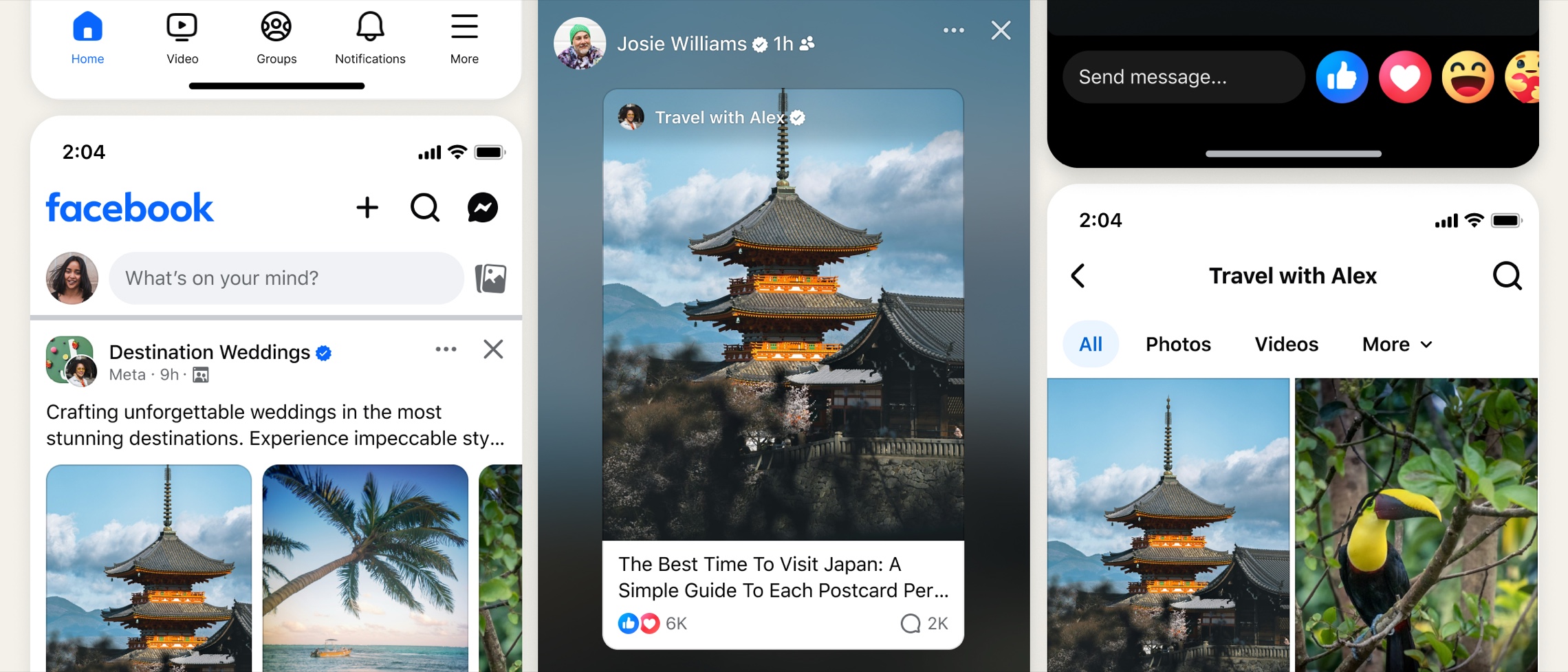
With 3.12 billion monthly active users, Facebook is the world's most used social platform, running across hundreds of surfaces and maintained by thousands of engineers and designers. I spent four years on the teams responsible for the design system that powers it, working across tooling, component design, quality programs, product team partnerships, and AI-assisted workflows.
At its core, the work was about raising the quality, craft, and accessibility of one of the world's most used products.
Build the system
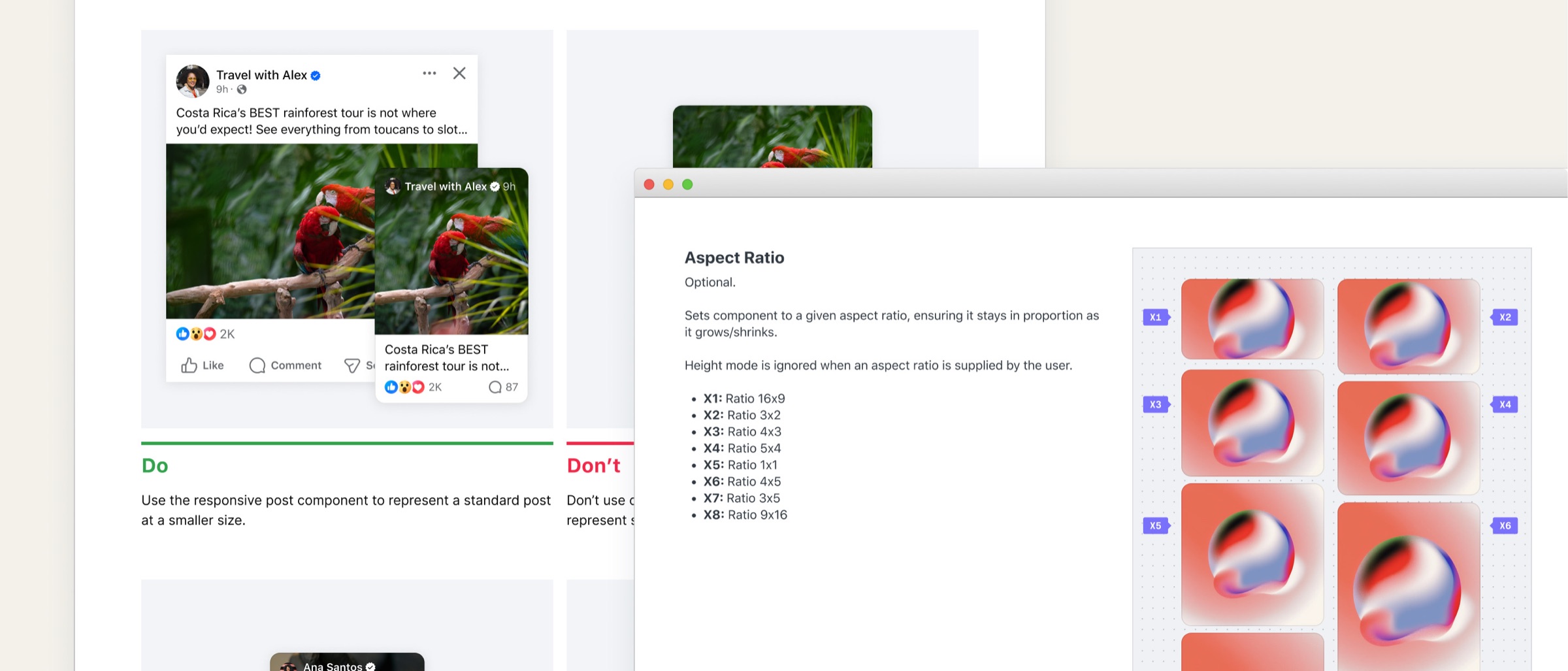
I designed and shipped components for the Facebook design system, owning projects from initial concept through complex technical specs and adoption across multiple product surfaces and frameworks.
A significant part of this work involved authoring the technical specs that serve as the source of truth for how components are built: precise enough for engineers to implement without ambiguity, and structured to ensure every component meets quality and accessibility standards.
Specs shipped in code
Quality reviews a year
Code frameworks
Educate & scale
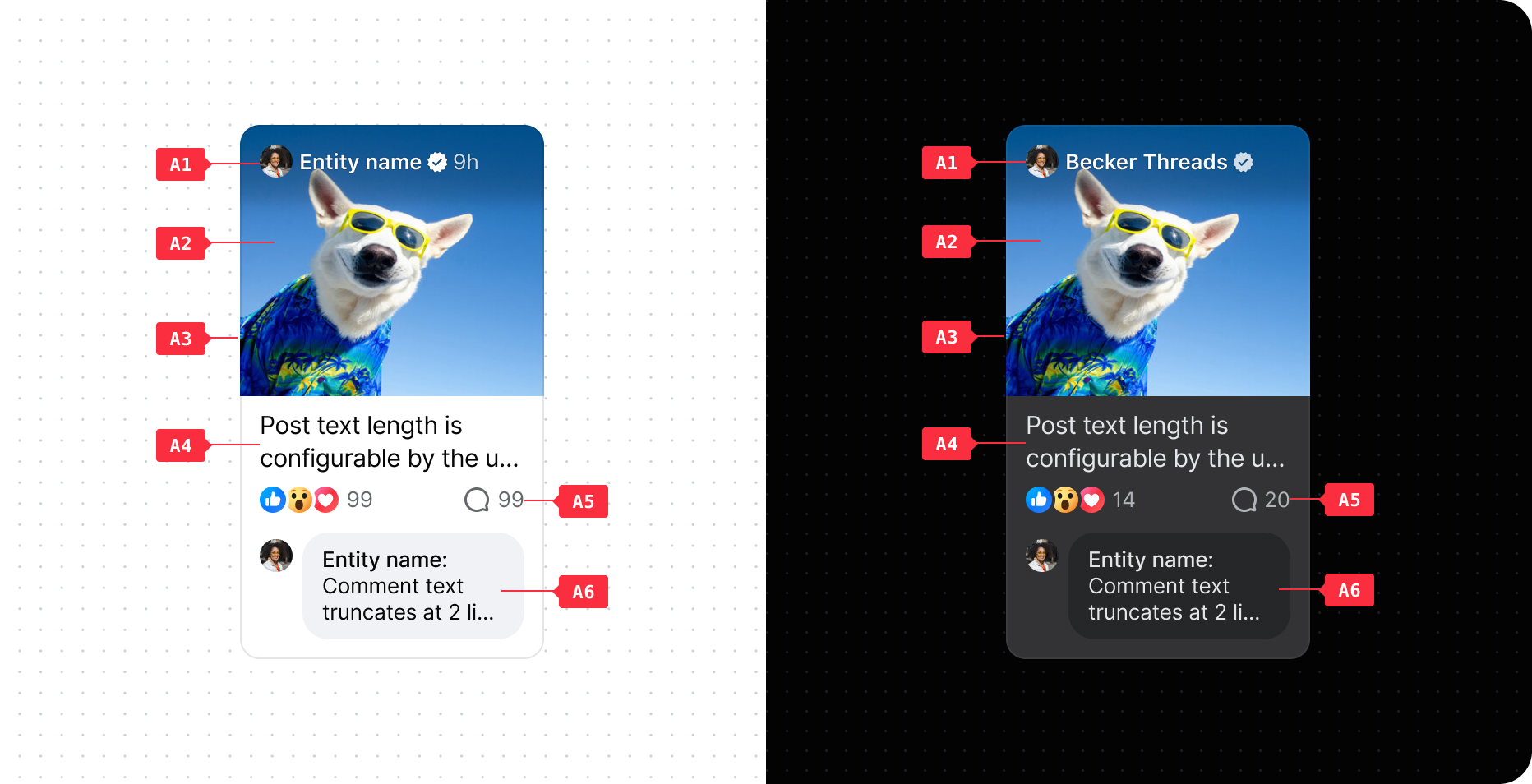
Component quality is only half the job. I established and led multiple partnership models, embedding directly with product teams as a design system advisor and advocate for consistency, usability, and accessibility. In practice, this meant getting into the details: co-designing system compliant solutions and helping teams ship faster.
Partnership with product teams on initiatives like navigation simplification resulted in measurable engagement gains, including a 5% increase in search clicks.
I also owned a structured component quality program, leading weekly testing sessions that caught usability and accessibility issues before components reached production. This work drove our accessibility compliance to 96%, the highest of any design system at Meta.
AI-forward
As AI began to reshape how design and engineering teams work, I became an early advocate for bringing these tools into the design system workflow. I pioneered an AI-assisted approach to spec authoring, using code editors and AI tools to generate technical specs structured for machine readability.
A key insight driving this work was that well-structured specs don't just help engineers build components manually. They enable AI to build them too. The specs I authored became the foundation for AI-assisted component development across frameworks, turning documentation that was once purely human-readable into something LLMs could act on directly.
Design systems built for AI are no longer a future consideration. They are the foundation for how products will be built next.